Mohamed Wajdi Ben Hammed wins Claremont Prize
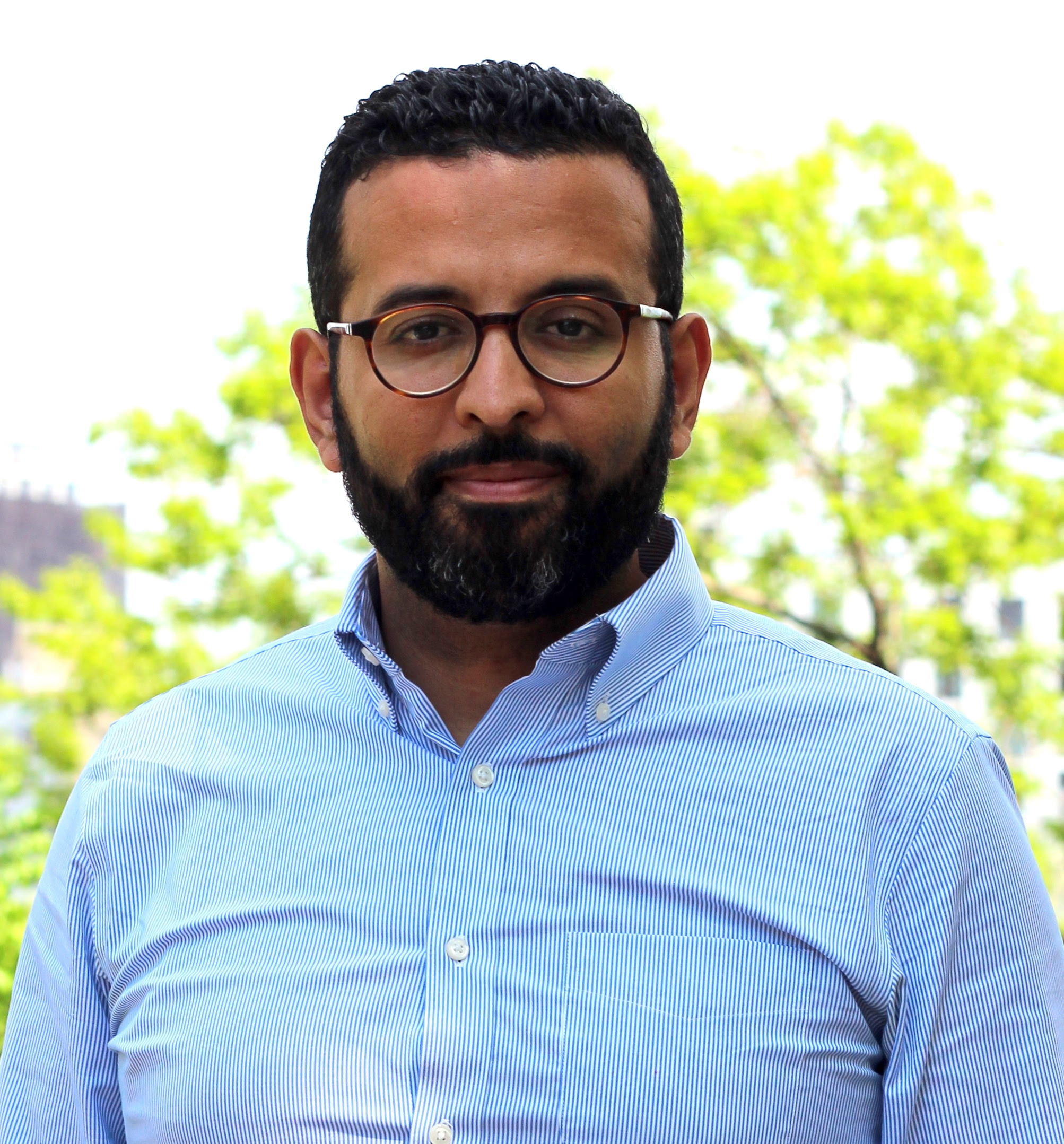
ICLS PhD Alum Mohamed Wajdi Ben Hammed has won the Claremont Publication Prize for the Study of Religion for his work: Disenchanting Time: Arabic Modernism, Orientalism, and the Critique of Islamic Temporalities. The book will be published by Columbia University Press in IRCPL’s Religion, Culture, and Public Life series.
Mohamed Wajdi Ben Hammed is an Assistant Professor of Arabic Literature and Islamic Culture in the Department of Comparative Literature at the University of California, Berkeley. He received his Ph.D. from the Department of Middle Eastern, South Asian, and African Studies at Columbia University.
His book, Disenchanting Time: Arabic Modernism, Orientalism, and the Critique of Islamic Temporalities, explores the intersections of theories of time, orientalist epistemologies, and cultural self-critique in postcolonial Arabic thought, poetry, and fiction. Among other temporal concepts, Islamic thought famously theorized “the eventful moment” (al-waqt), which includes both the divinely renewed instant of being of Islamic theology, and the moment of spiritual unveiling of Sufism. With a keen sensitivity to temporal imagination as signifier and measure of progress, Arab modernist and post-modernist thinkers and writers have received “the moment” of the pre-modern Islamic archive in a variety of ways, ranging from rationalist repudiations to secularizing aesthetic translations, as well as philosophical reorientations toward contemporary critiques of capitalist modernity. Through the vantage point of debates on temporal concepts, Disenchanting Time explores the imbrications of Arabic modernism and orientalism and considers the possibilities of an Arabic post-modernist thought that ruptures with Eurocentric mimetic paradigms while remaining committed to the grand narratives of national liberation and the Islamic ethical experience.
Disenchanting Time intervenes in the debate on Islamic temporal sensibility by demonstrating the multiplicity and inner translations of poetic and philosophical propositions on time in the Islamic library. It argues that, far from reflecting a timeless affect, the theological and Sufi traditions of writing the moment have in fact been productive of time-centered poetics and ethics which privilege the realities of flux and change. The book concludes by examining post-modernist Arabic reformulations of these traditions within ethicist and poetic critiques of capitalist ontologies and the neoliberal transformations of Arab politics and economy. Placing the pre-modern archive of Islamic ontologies into conversation with Arabic modernism, Disenchanting Time ultimately argues that the repertoire of thinking temporality in Islamic theology and Sufism represents not a cultural impediment, but rather a rich and variegated resource for philosophical and literary critiques of capitalist modernity.